The Real Math Behind Watering A Half Acre Without Dragging Hoses
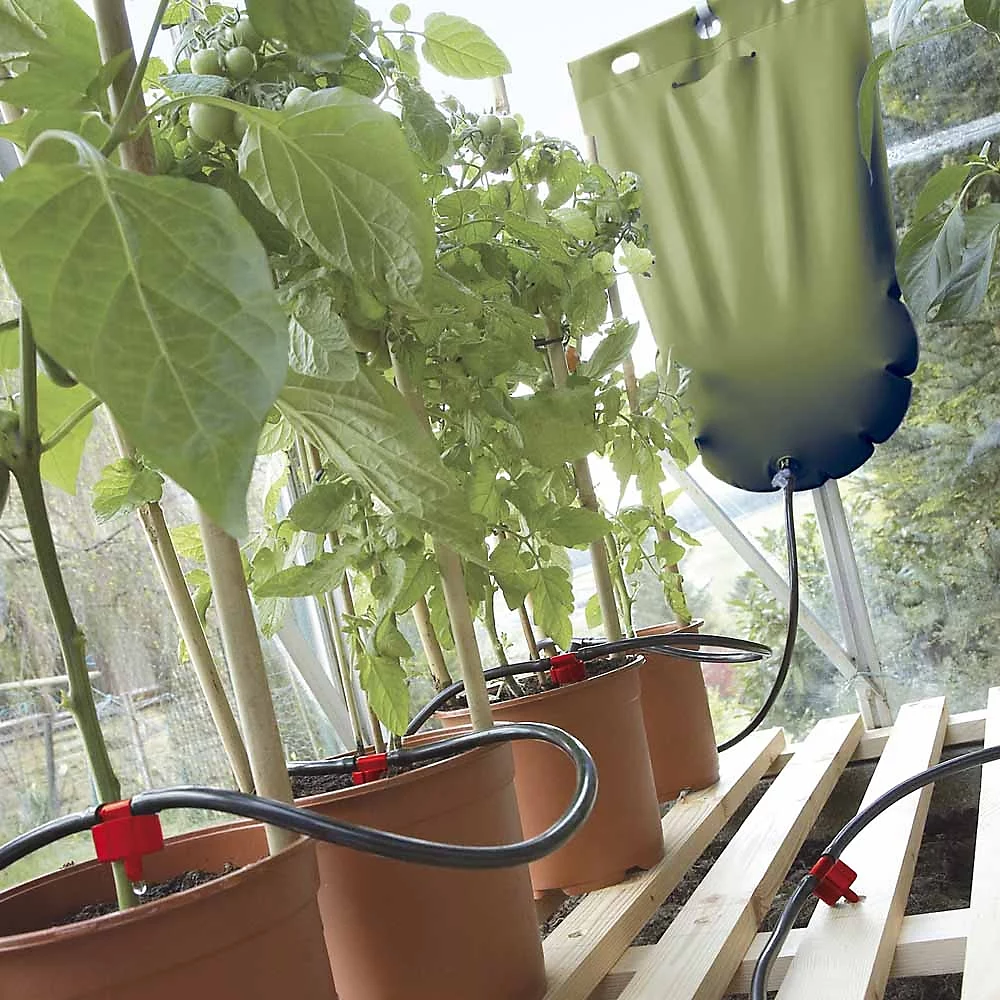
What does it really cost to keep half an acre green without dragging a hose to the far fence every single evening? That is the first number homeowners want when they price irrigation system installation loganville ga crews quote, and the honest answer starts with the water already running down the driveway. Water is not endless up here anymore. Back in April 2026, with North Georgia still stuck in drought, FOX 5 Atlanta reported Lake Lanier at 1,065.78 feet, sliding toward the 1,050.79-foot record low set in December 2007. So the question is not really whether to water. It is whether to keep paying for it by hand.
Hand Watering Costs More Than Homeowners Count
Start with the time, because that is the cost nobody writes down. A half-acre lot with beds, a lawn, and a couple of young trees needs a deep soak two or three times a week through a Georgia summer. Say you spend forty minutes an evening moving sprinklers and hauling hose, four evenings a week, across the twenty or so weeks that actually matter here. That is roughly fifty three hours a season, and if your time is worth even $20 an hour, the labor alone comes to about $1,060. Then add the water you waste, because a hose left running while you reposition it, plus overspray onto the driveway and the road, easily burns an extra 400 gallons a week. Over those same twenty weeks at Gwinnett water and sewer rates, that overage tacks on close to $180. Put the lost hours and the wasted water together and hand watering runs you north of $1,200 a year, before a single plant dies of neglect.
The case we see most often is not a homeowner who forgets to water. It is the opposite, someone out there constantly and still losing the back corner, because a garden hose only reaches so far. Georgia clay takes water slowly and sheds the rest downhill, so the far zones stay dry while the near ones sit in a puddle. What nobody can pin down cleanly is how many of those wasted gallons are yours specifically, because no meter breaks overspray out from real use. Call it an educated guess, but it is never zero.
Where The Money Actually Goes In An Install
The line items on irrigation system installation loganville ga contractors quote break into a few predictable buckets. Roughly half is labor and trenching, because someone has to pull pipe across the whole lot and set each head at the right spacing. Materials come next: the valves, the heads, a backflow preventer, and a smart controller. According to the EPA’s WaterSense program, more than 30% of a household’s water is used outdoors, and in arid climates that share climbs as high as 60%, which is exactly why a system that waters only what needs watering earns its price back instead of adding to it. The rest of the quote is permitting, a rain sensor, and the small fittings that never make the brochure.
Zoning is where the real design work hides, and it is the part worth paying for. A half-acre lot rarely waters well as one block, since a sunny front lawn and a shaded bed behind the house drink at completely different rates. A good installer splits the property into separate zones and puts each on its own schedule, which is the whole reason you pay for design instead of a boxed sprinkler kit. Before you approve anything, plug your yard into the University of Georgia Extension’s free irrigation scheduling calculator, which estimates how much water your specific grass and soil actually need each week. The number usually surprises people.
Questions Homeowners Ask Before Approving The Cost
A few questions come up on nearly every quote, and they deserve plain answers rather than a sales pitch. None of them turn out to be scary once you have actually run the numbers on your own lot. Here is what homeowners in this area actually ask before they sign.
How Long Until The System Pays For Itself?
For a half-acre lot, the saved water and saved evenings usually cover a mid range install within three to five seasons. It swings on how much you were watering before and where local rates sit at the time. Households that were badly overwatering see the payback arrive on the faster end of that range.
Will My Water Bill Actually Go Down?
Usually yes, because the system stops watering the pavement and runs at dawn when far less water evaporates. One Fortune analysis projected median water bills in Santa Cruz, California nearly doubling to $120 a month from $64 by 2050, with 20% of households already paying above the EPA affordability standard and that share climbing toward 35%. Bills tend to move one direction over the years, so cutting waste now is really about protecting yourself later.
Do I Really Need A Pro, Or Can I DIY This?
You can DIY a small yard, but a half-acre of clay soil with multiple zones is exactly where homegrown systems tend to fail. The backflow preventer alone carries code requirements most homeowners do not want to guess at, and getting it wrong risks the drinking water line. What we find is that the DIY savings vanish the first time a zone floods a bed or a head quietly sprays the siding for a week.
A Right Sized System Pays For Itself
Add it all up and this is less about spending new money than about redirecting money you already spend. Right now it leaks out as wasted water and lost evenings, a slow drip that never shows up as one clean line on a bill. A right sized system moves that same spend into even coverage across the whole lot, and it quietly earns its keep season after season. For a half-acre in Loganville clay, the system is usually the cheaper number over a few years, not the pricier one. Stop dragging hoses. Let the math make the call.