The Wheel Fitment Numbers Every Truck Buyer Should Check First
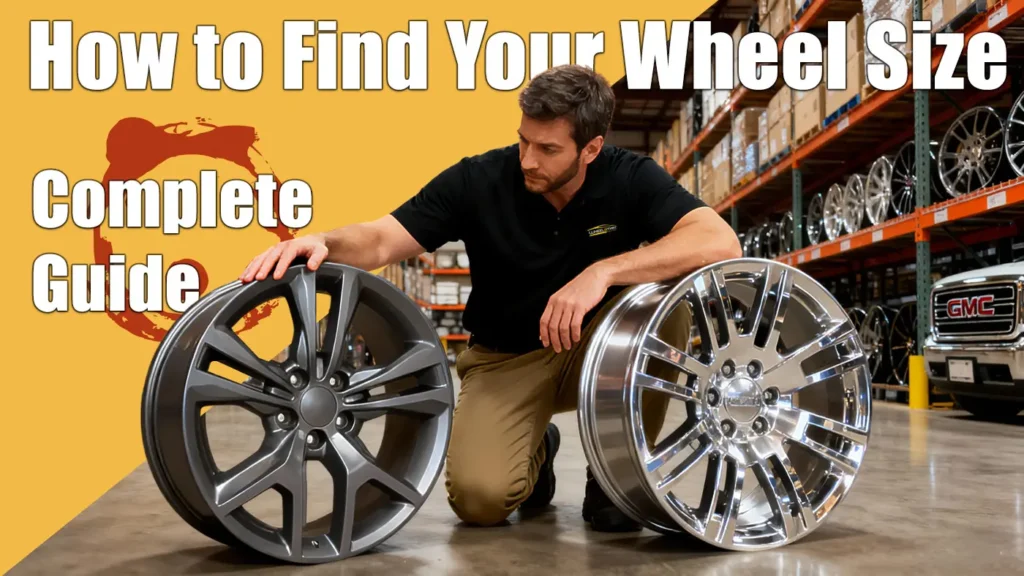
Every wheel listing hides four numbers. Every one of those numbers has a job. Every one of them can wreck an order if you read it wrong. Bolt pattern, offset, backspacing and width decide whether a wheel bolts up clean, and not one of them shows up in the product photo. Type custom wheels St Petersburg FL into a search bar and you get pages of listings, each with a spec block most buyers skim past. Skimming is how a tire ends up rubbing at full lock.
The fix is not complicated arithmetic. Check the four fitment figures against your own truck before you order, then preview the wheel on your actual vehicle. Rubbing stops being a gamble. Here is the order worth checking them in.
Start With Your Bolt Pattern And Hub Bore
Bolt pattern is two numbers, the lug count and the circle those lugs sit on. A 6×139.7 wheel needs six studs on a 139.7 millimeter circle, and a 6×135 will not mount to it. Hub bore is the hole in the middle. It should sit snug on the truck’s center hub, what shops call a hub-centric fit, meaning the hub carries the weight while the studs only clamp. An oversized bore gets fixed with centering rings, not ignored. In June 2026 the U.S. Tire Manufacturers Association opened National Tire Safety Week by repeating its standing recommendation, that drivers check tires and wheels at least once a month.
Offset Decides Whether The Tire Rubs
Offset is the distance from the mounting face of the wheel to its centerline, in millimeters. Positive offset pulls that face toward the street side and tucks the wheel under the truck. Lower the number and the wheel moves outboard. Go from a factory plus 30 to a plus 5 and the tire has traveled 25 millimeters closer to the fender. That is most of an inch on a truck that never had much room at full lock. The case we see most often is a buyer who wants a wider stance, orders a low offset because the photos look right, and finds the inner sidewall grazing the upper control arm. Suspension travel sharpens it, since the tire sweeps its whole arc when the front end compresses. The fender liner gets the final say.
Offset is the number to slow down on. Twenty millimeters the wrong way separates clean clearance from a shredded liner.
Hardware matters as much as geometry once the wheel is bolted up. A lug torque chart from Las Positas College Automotive Technology lists 140 ft-lbs for GM full-size trucks and 155 ft-lbs for a Ram 3500 dually. Torque every lug to spec with a torque wrench, work a star pattern, and re-check them after the first 50 to 100 miles. A wheel that works loose can separate from the truck, so that second check is not optional.
Backspacing Controls Clearance Behind The Wheel
Backspacing runs from the mounting face to the back lip, in inches. Every listing that turns up for custom wheels St Petersburg FL states a width and an offset, yet backspacing predicts whether the spokes clear the caliper. Too much and the tire crowds the control arm. Too little and the tread hangs past the fender, which means a mud stripe down the door. Lay a straightedge across the hub, measure to the strut, and write that number down before you shop. Factory clearance shifts with trim and suspension, so the ruler beats a forum post.
Diameter And Width Change The Whole Stance
Diameter and width are the two numbers buyers pick first and think about least. Move from an 18 inch wheel to a 20 without shaving sidewall and rolling diameter grows, which throws the speedometer off. Width drives tire choice. A 275 section tire wants roughly 8 to 9.5 inches of rim, and anything outside that band distorts the sidewall. Pick the tire size first on a daily driver, then find the wheel that suits it.
Run The Math Before You Order
Say the wheel on your screen is 8 inches wide with a plus 18 millimeter offset. Backspacing is half the overall width, so 8 plus 1 divided by 2 gives 4.5 inches, and the offset converts to 0.71 of an inch at 18 divided by 25.4. That comes to 5.2 inches of backspacing. If your stock wheel measured 6 inches, the new one sits about 0.8 of an inch further outboard. Hold that against the clearance you measured at the strut.
Run the same two lines for every wheel on the short list. It takes about a minute each, and it kills the guesswork that restocking fees are built on. A leveling kit or an aftermarket control arm changes the answer, so measure the truck you own today.
Check Every Number, Then Preview The Result
Numbers get you a wheel that fits. A visualizer gets you one you still like six months later, since you load your year, make and model and see the stance the spec block was describing. Bring the fitment figures to whoever mounts them and let a tech confirm the offset against your real suspension. A printed spec cannot see the lift you added last spring. Measure, calculate, then preview. Do it in that order and a spec sheet stops reading like a foreign language.