What A First Cataract Console Really Costs A New Center
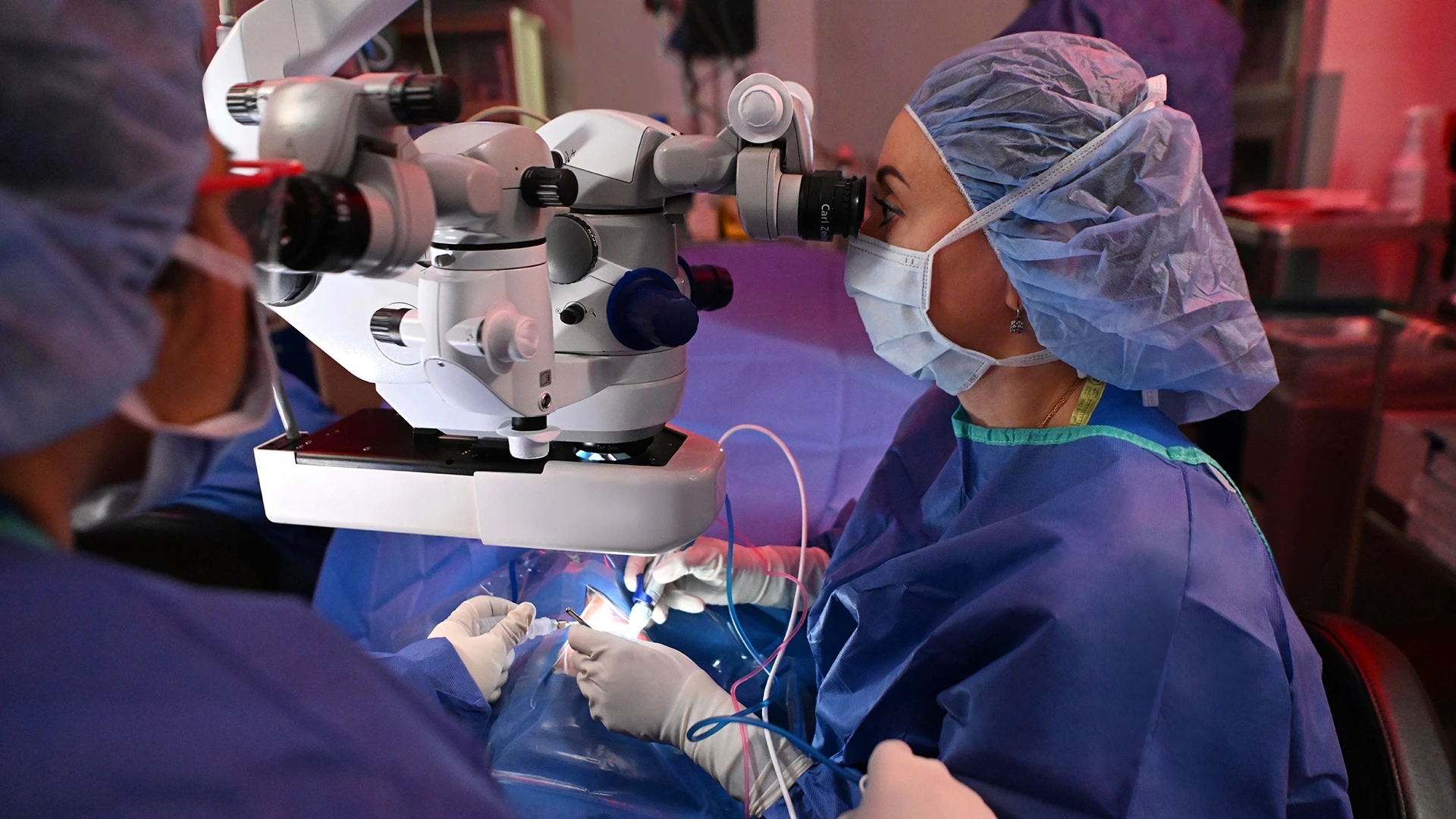
A first cataract console rarely costs what the quote says. Sticker price is the smallest number in the whole decision. For a newly built surgical center budgeting its first capital equipment under a hundred and fifty thousand dollars, the real figure hides in consumables, service contracts, and the weeks a new room sits idle waiting on install and staff training. Patient demand is not the worry here. The Ophthalmologist reported in April 2026 that in 2025, one in two people worldwide who needed cataract surgery could not access it, so a competent center will fill its schedule soon enough. The harder work is modeling what your phaco surgical equipment will actually cost once it is running, and whether a refurbished console from an independent supplier changes that math.
Sticker Price Versus Total Cost Of Ownership
Start with the vocabulary, because the terms get muddy fast in a vendor meeting. Phaco, short for phacoemulsification, is the ultrasonic technique that breaks a clouded lens into fragments small enough to suction out, and the console is the machine that drives it. Total cost of ownership is every dollar that console pulls from you across its working life, not the day-one price on the quote. Say a new console lists around ninety thousand dollars. Over five years, the consumables and service contracts behind it can quietly match or beat that figure, which puts the real cost closer to double the sticker. In practice, the centers we see model the console price and stop there, then meet year two with a budget that never planned for it. The math doesn’t care about the brochure.
Refurbished Systems Change The Capital Math
Here is where the capital line actually moves. Independent suppliers refurbish phaco surgical equipment back to working specification, then sell it well below the price of new. A refurbished console might run thirty-five to fifty-five thousand dollars against ninety for a new one, and for a center holding a hard ceiling near a hundred and fifty thousand, that gap is not a rounding error. The freed capital does not disappear from the budget. It shifts into the consumable and service reserves you draw down every month the room is open. The core argument is simple. Buying the console and an early stock of parts from one independent source, rather than a single manufacturer channel, reshapes the entire ownership total instead of just the purchase line.
Consumables And Handpieces Add Up Fast
Consumables are the cost nobody puts on the front page of a quote. Each cataract case burns a tubing pack, a cassette, and a dose of viscoelastic, call it forty to sixty dollars per case in supplies alone. Book six hundred cases in your first year and that single line clears thirty thousand dollars before anyone consciously approved the spend. Case volume tends to climb faster than a new center expects. The National Eye Institute notes that the protein breakdown behind cataract begins around age 40, so the eligible population is broad and a young facility often fills its schedule ahead of plan. Handpieces are their own quiet line item. Budget maybe eight thousand dollars a year for handpiece service. Honestly, closer to twelve once you count tip replacements and the occasional out-of-warranty repair.
Service Agreements Belong In The Budget
A console with no service plan is a bet you will eventually lose. Downtime in a single-room center costs more than the repair itself, because a dark room means canceled patients, not just a wait on a part. A manufacturer service contract can run eight to fifteen thousand dollars a year, and that is before any charge that falls outside its terms. When the machine drops mid-list, the schedule you spent months building starts to unravel. This is the practical case for a supplier that stocks real parts inventory and staffs support around the clock, since a same-day fix can rescue a whole surgical day. Weigh the contract against the downtime it prevents, not against the wish that nothing ever fails.
The First Ninety Days Set The Real Cost
The opening quarter tells you what you actually bought. In the first week, plan for install, calibration, and staff who move slower than they will in a month, so keep the schedule light and forgiving. By the end of month one, your true consumable burn rate becomes visible, and it usually sits above the model. Within 90 days you will know your real per-case cost, your honest room turnover, and whether the service line was money well spent. The wider market keeps buying straight through this ramp. Even with procedure volume running roughly flat, equipment sales stay strong, and one industry report showed Alcon’s first-quarter 2026 equipment sales up 27 percent, about 23 percent in constant currency, in May 2026. A new center feels that pricing pressure at the point of sale, which is exactly why the refurbished path earns a hard second look before anyone signs.
Independent Suppliers Widen The Options
A first console is not really a purchase, it is a five-year operating decision, and the sticker is the smallest part of it. An independent supplier changes the shape of that decision by offering refurbished consoles, a parts inventory you can actually draw on, and service that does not route through one factory queue. For a center holding the line under a hundred and fifty thousand dollars, that flexibility is what keeps the consumable and service reserves funded rather than drained by the box itself. The centers that stay solvent through year one are rarely the ones that bought the flashiest machine. Model the full five years before you sign anything, then choose the console that leaves room for everything that comes after it. That number, not the quote, is the one that runs your center.