Unlocking the Mind: The Therapeutic Potential of Magic Mushrooms
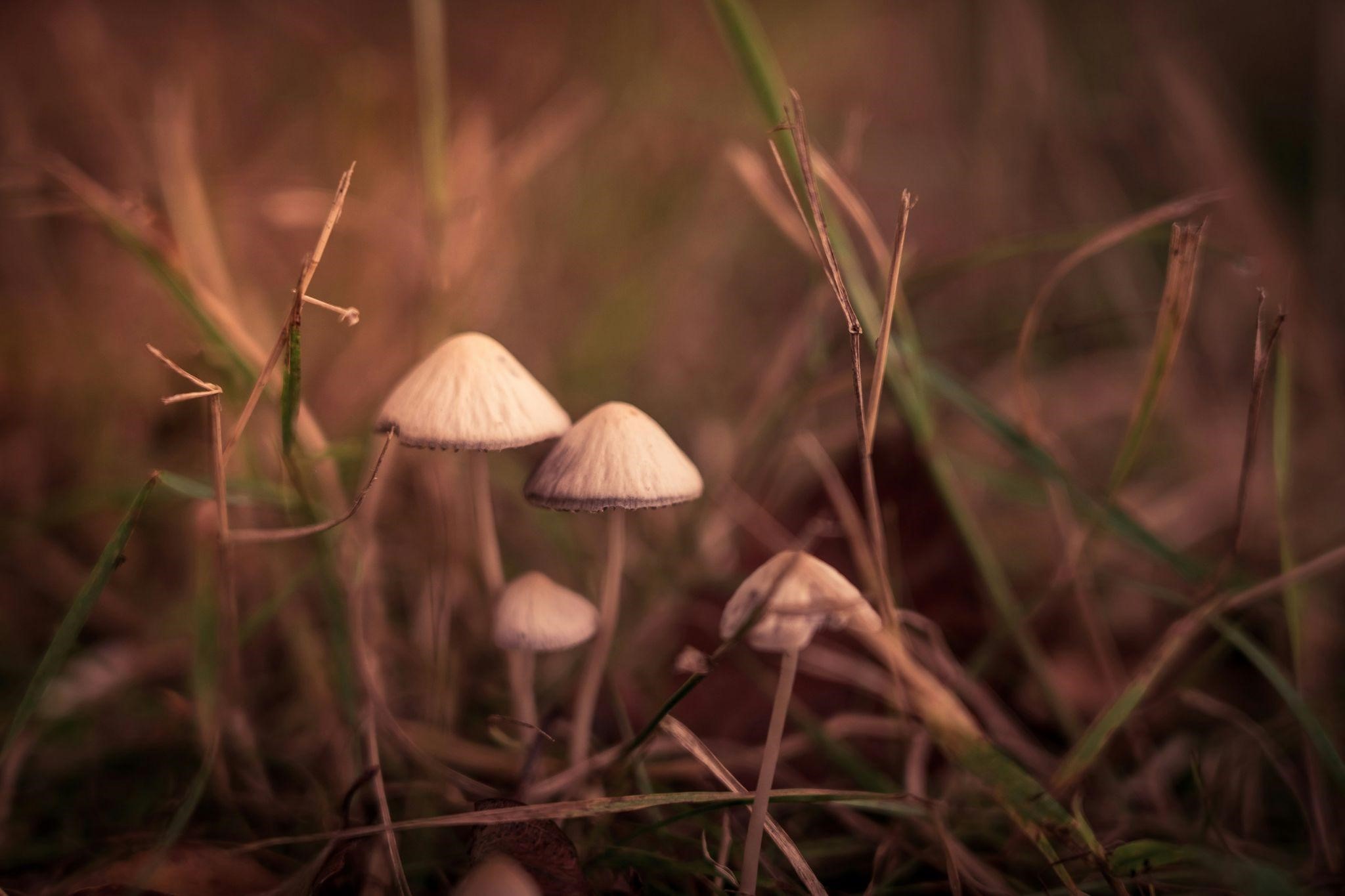
For centuries, humans have sought ways to alter consciousness — whether for spiritual insight, healing, or self-discovery. Among the many tools nature has provided, magic mushrooms, or psilocybin-containing fungi, stand out for their unique ability to profoundly shift perception, emotion, and thought. Once relegated to the fringes of counterculture, these fungi are now at the forefront of modern neuroscience and mental health research. The question is no longer if they can change the mind, but how they can be harnessed for therapeutic good.
The Science Behind Psilocybin
Magic mushrooms contain the psychoactive compound psilocybin, which the body converts into psilocin. Psilocin interacts with serotonin receptors in the brain, particularly the 5-HT2A receptor, leading to changes in neural connectivity and communication between brain regions. Functional MRI studies show that under psilocybin, brain activity becomes less compartmentalized — areas that rarely communicate suddenly “talk” to each other, producing new perspectives and insights.
This rewiring effect appears to be one reason psilocybin can help people break out of rigid thought patterns, which are often at the root of depression, anxiety, and certain addictions. Unlike many psychiatric medications that must be taken daily, psilocybin-assisted therapy often involves only one to three sessions, yet can produce lasting benefits.
From Counterculture to Clinics
In the 1960s, magic mushrooms became associated with the psychedelic movement and were quickly banned in most countries. For decades, research was stalled by stigma and legal barriers. However, in the last 15 years, a renaissance in psychedelic science has emerged. Prestigious institutions like Johns Hopkins University, Imperial College London, and UCLA are now running controlled studies with promising results.
The public perception is also shifting. Documentaries, books, and firsthand accounts have highlighted psilocybin’s potential for healing rather than just recreation. This cultural shift has even led to changes in policy, with cities like Denver and states like Oregon decriminalizing or creating regulated frameworks for psilocybin therapy.
https://trehouse.com/product/magic-mushroom-chocolate-bar/
Therapeutic Benefits in Mental Health
Psilocybin therapy typically involves a carefully guided session with trained facilitators. The experience itself can last four to six hours, during which the participant may encounter vivid imagery, deep emotional release, and a sense of interconnectedness. These sessions are often preceded by preparation meetings and followed by integration therapy to help make sense of the insights gained.
Research points to several key therapeutic benefits:
- Treatment-Resistant Depression
Studies have found that psilocybin can rapidly reduce depressive symptoms in individuals who have not responded to conventional medications. These effects can last weeks or even months after a single session. - Anxiety in Terminal Illness
For people facing life-threatening diagnoses, psilocybin has been shown to reduce existential distress and increase feelings of peace and acceptance. - Addiction Recovery
Early research suggests psilocybin may help break dependencies on substances like alcohol and nicotine by facilitating profound shifts in self-awareness. - Post-Traumatic Stress Disorder (PTSD)
While still in the experimental phase, psilocybin-assisted therapy shows promise in helping individuals process traumatic memories in a safe and supportive setting.
Why It Works: The Role of Ego Dissolution
One of psilocybin’s most notable effects is “ego dissolution” — a temporary breakdown of the usual sense of self. This can lead to the realization that one’s problems, fears, or identity are not as fixed as they seemed. Many participants describe the experience as deeply spiritual, even if they are not religious. This shift in perspective may be what allows entrenched mental patterns to loosen, creating space for new ways of thinking and behaving.
Microdosing: Subtle Shifts, Big Potential
While much research focuses on full-dose experiences, there’s growing interest in microdosing — taking very small, sub-hallucinogenic amounts of psilocybin on a regular schedule. Advocates claim it can enhance mood, creativity, and focus without producing a “trip.” Scientific evidence is still limited, but anecdotal reports have fueled widespread experimentation, especially among professionals seeking cognitive enhancement.
Safety and Risks
Psilocybin is considered physiologically safe — it is non-addictive and non-toxic at typical doses. However, the mental effects can be intense, and in rare cases, they may exacerbate underlying psychiatric conditions like schizophrenia. That’s why medical screening, professional guidance, and a supportive environment are essential when using psilocybin for therapeutic purposes.
It’s also important to note the legal status: psilocybin remains a controlled substance in most parts of the world. Engaging with it outside of sanctioned research or legal frameworks can carry legal consequences.
The Future of Psilocybin Therapy
As research advances, psilocybin may become an officially approved treatment for certain mental health conditions within the next decade. Companies and non-profits are developing standardized psilocybin formulations, therapy protocols, and training programs for facilitators.
However, there are important ethical considerations. The commercialization of psilocybin raises concerns about accessibility, cultural appropriation of Indigenous knowledge, and the potential for exploitation. Balancing medical legitimacy with respect for traditional use will be key to integrating this medicine responsibly.
A Mind Unlocked
The therapeutic potential of magic mushrooms lies not just in their chemical makeup, but in their ability to catalyze deep, meaningful change. In a world where mental health challenges are on the rise, psilocybin offers a radically different approach — one that works with the mind’s innate capacity for transformation. The journey is not without risks, but the growing body of evidence suggests it may be one of the most promising mental health tools of our time.
Unlocking the mind is no small feat. Yet, with careful research, ethical practice, and respect for the power of these fungi, we may be entering a new era where the mind is not just treated, but truly liberated.