Three Mistakes Condo Boards Make Before A Milestone Inspection
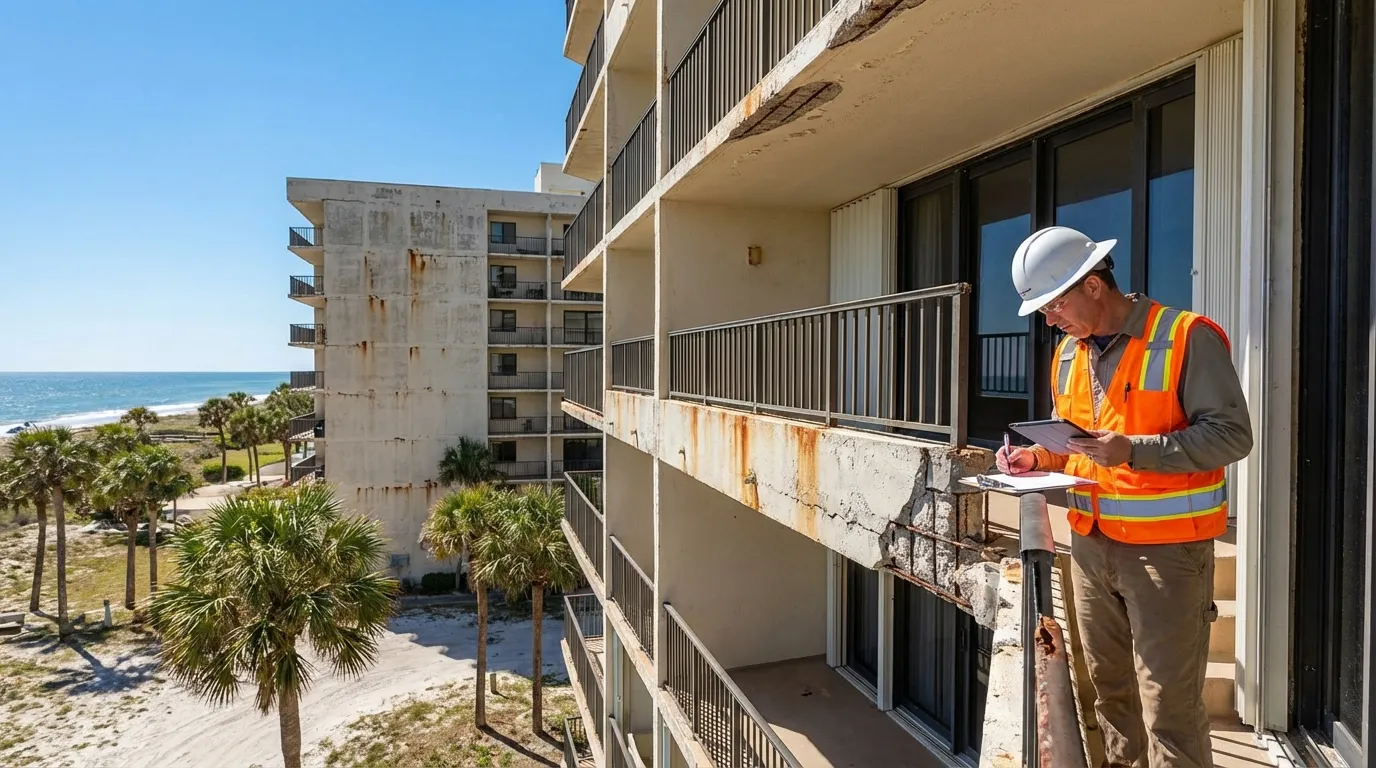
The milestone inspection is not the line item that empties a condo association’s reserves. The board’s own timing usually does. By the time a 40-unit Boynton Beach mid-rise reaches its 40-year recertification, the aging windows and sliding doors are already failing the wind-load review. Every board member has heard as much for years, so the grade itself is rarely the surprise. A board that lines up a phased impact window and door installation Boynton Beach FL program before the reserve study forces its hand keeps the number predictable. A board that waits ends up with a special assessment nobody in the building voted for. The mistake is almost never the repair itself, it is the sequence. The same three errors are the ones we see most often, and each one is avoidable with a little runway. Boards do not fail these inspections for lack of warning, they fail them for lack of a plan.
Boards Wait Until The Study Forces It
The first mistake is treating the reserve study as the trigger to act. A structural integrity reserve study is now required for older Florida condos over three stories. It exists to tell a board what it already suspected about the roof, the concrete, and the window openings. The reserve study does not bluff. A reserve study reflects a licensed engineer’s read of the building, not a vendor’s sales pitch. When the report finally names the window and door envelope as underfunded, boards scramble, and scrambling is expensive. In practice this usually means a rushed bid, a single vendor, and no runway to phase the work over more than one budget cycle. Any Florida association can pull its own filing status from the DBPR’s online condominium portal, free, before it hires a single consultant. A board that reads the report early has options, while a board that waits only has a deadline. Getting ahead here is not complicated, it is simply a matter of starting before the paperwork makes you.
Skipping The Timeline Wrecks Special Assessments
The second mistake is pricing the whole envelope as one emergency purchase instead of a sequence. A phased program has a rhythm a board can budget around. The first month is design and permitting, when the association locks the product and the wind-load engineering. By month three the first stack of units is underway, and the association is drawing on funded reserves rather than a single lump-sum assessment. Within 90 days of that start, a mid-rise can have its most exposed elevation sealed before peak season. A phased schedule turns a six-figure surprise into a line the budget already planned for. The board that skips this timeline is the board that mails a special assessment in August, right when residents can least absorb it. Residents can plan around a posted schedule, but a surprise five-figure bill in one notice breeds the kind of recall fight that stalls every project in the building.
Timing also depends on something no board controls, the season itself. Colorado State University’s June 2026 outlook already pointed to a below-average Atlantic season, with 11 named storms against an average of 14.4, 5 hurricanes against 7.2, and 2 major hurricanes against 3.2. A quieter forecast is not a reason to relax, it is a window to schedule the disruptive work while the risk is lower. This is exactly the kind of impact window and door installation Boynton Beach FL boards should schedule in a calm year. A quiet forecast even tempts a board to wait another season. That is how associations drift into deferred maintenance on everything from elevators to lobby carpet. The envelope is the one piece that actually fails an inspection, so back to the sequence. Scheduling the loud, dusty work in a lower-risk stretch also spares residents the worst disruption during storm-watch season.
Getting Ahead Of Recertification Pays Off
The third mistake is treating new impact windows and doors as pure compliance cost with no return. The payoff is real, and it is mostly insurance. Florida carriers price wind mitigation hard, and a building that upgrades its openings changes its own risk profile in the underwriter’s eyes. The scale of what carriers are pricing is not abstract. The Insurance Information Institute puts Hurricane Irma’s insured losses at between $20 billion and $24 billion across the affected states. The same upgrade that satisfies the inspector is the one an underwriter rewards, so the compliance spend also lowers the premium. A phased plan keeps the board inside both its code obligations and its own HOA rules, without a vote taken in a panic. Boards that get ahead of recertification convert a forced expense into a premium argument they can actually make. They do it without the special assessment that follows a failed inspection. That is the whole case for planning the envelope before the study demands it, and it is why a board that leads its building always beats one that only reacts to it.