The Westport Lawn Where Fungus And Ticks Fed Each Other
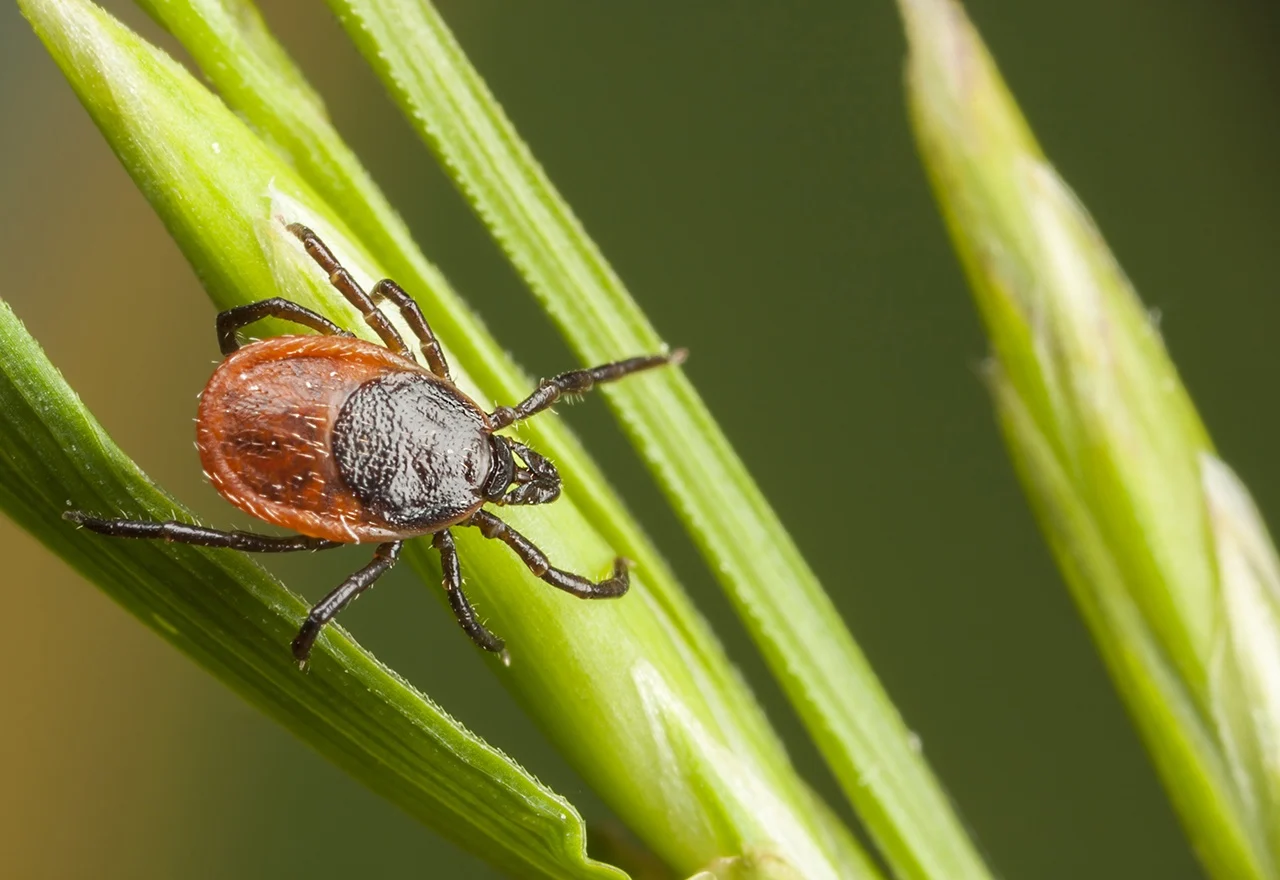
The homeowner called about ticks in her kids’ play area, not about the grass. By the time she went looking for tick control westport ct online, half her backyard had already thinned to a patchy gray under the oaks. That is the part most people miss. Ticks and lawn disease are not two separate problems on a shaded lot, and on this property they had been quietly making each other worse for two full seasons. They feed each other, and treating one while ignoring the other keeps the yard stuck in the same spot every year. This is a case study of one heavily shaded, over-irrigated backyard in Westport, and what it actually took to break the loop for good.
A Shaded Yard Grew Fungus And Ticks Together
Shade and constant irrigation create the exact conditions turf fungus loves. The ground under mature trees rarely dries out between waterings, so diseases like dollar spot and brown patch settle in and the stand gets thin fast. Thin, damp turf with a layer of leaf litter is also precisely where deer ticks wait for a host to brush past. Local outlet CT News Junkie reported in June 2026 that positive Lyme cases in Connecticut deer ticks jumped 9 percent from 2024 to 2025. That moved the count from 905 ticks at 27 percent positive to 1,465 ticks at 36 percent. So the wet, shaded conditions rotting the grass were also rolling out a welcome mat for ticks carrying more disease than before.
The case we see most often is a yard that developed both problems at once and never connected the two. Think of a slow roof leak that nobody bothers to fix. The trapped water invites rot, the rot invites carpenter ants, and pretty soon you are paying for two repairs instead of one small patch. A shaded lawn works the same way, where the moisture problem and the pest problem share one root cause and keep handing off to each other.
Treating Ticks Alone Left The Disease Behind
Her previous service sprayed the perimeter for ticks twice a season and stopped there. That approach knocked the adult ticks down for a few weeks at a time, but the habitat never changed, so they had the run of the place again within a month. Meanwhile the fungus kept spreading across the shade line and the lawn kept thinning, and every thin patch handed the ticks even better cover heading into the next spring. The Connecticut Agricultural Experiment Station reports that only about 10 percent of Lyme cases get reported, so roughly 300,000 are actually diagnosed nationwide each year. A treatment plan that never asks why the ticks are comfortable is only chasing the symptom around the yard. You can spray on schedule forever and still lose ground while the conditions keep inviting them back.
Week One To Month Three On The Program
The fix was one integrated program, not two disconnected visits stapled together. In the first week we pulled soil samples, reset the irrigation controller so the shaded zones could dry between cycles, and applied a targeted fungicide where the disease was active. Drying the soil matters as much as any product. A canopy that stays damp will undo a treatment in a hurry. By week three the active fungus had stopped advancing, and only then did the perimeter tick treatment go down on a habitat that was finally drying out.
Through the second month we overseeded the thin zones with a shade-tolerant fescue blend and kept the mowing height high so the young grass could root deep. Within 90 days the canopy had filled back in, the leaf litter was raked out, and the tick pressure in the play area had dropped to almost nothing. None of those steps does the job on its own. Sequence is the whole game here, and skipping the drying step is where most well-meaning plans fall apart.
Healthy Turf Is The Real Tick Defense
The lasting lesson from that Westport yard is a simple one. Ticks are an ecosystem problem, and on a residential lot the ecosystem starts with the grass under your feet. A dense, dry, well-mowed lawn gives ticks far fewer places to wait. That is exactly why the tick control westport ct homeowners can count on begins with turf health, not a spray calendar alone. Fix the conditions and you shrink the habitat, and the pest pressure falls right along with it.
The stakes here are not small, and the numbers keep climbing. The same outlet counted 3,239 human Lyme disease cases in Connecticut in 2023, a 163 percent jump over its 2019 total. It is tempting to wander into the deer-fencing debate here, since deer carry the ticks onto the property, but that is a separate fight. The point that actually holds up job after job is this. Heal the lawn, take away the damp and the litter and the thin cover, and the disease and the ticks lose what let them feed each other.