How to Bring Gourmet-Style Dishes to Your Home Kitchen
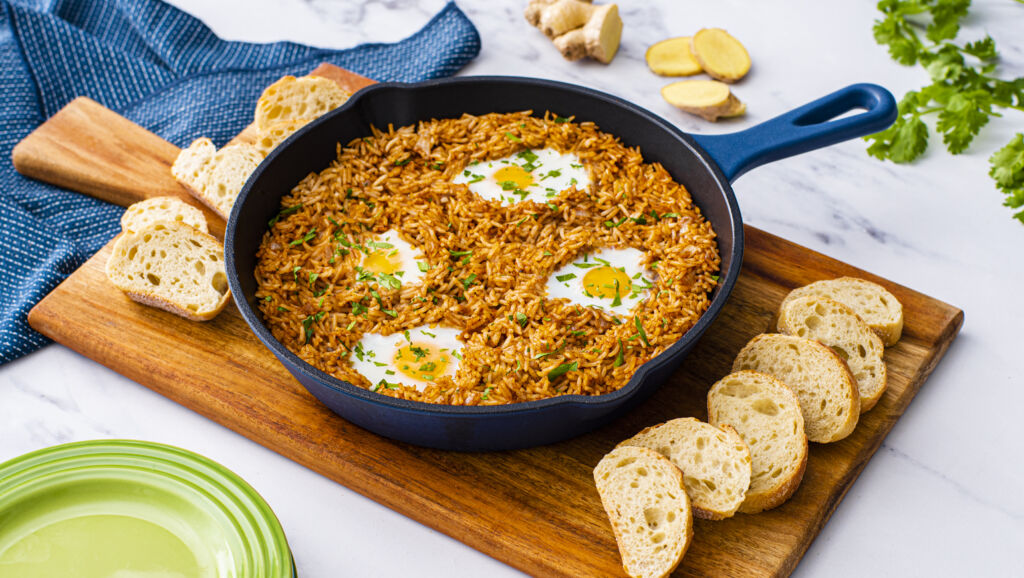
Gourmet cooking may seem reserved for upscale restaurants, but creating elegant, restaurant-quality dishes at home is far more achievable than most people realize. You don’t need professional equipment, years of training, or rare ingredients. What you truly need is an understanding of flavor, technique, and presentation three elements that transform ordinary cooking into something extraordinary. Many home cooks begin exploring gourmet techniques by working with premium yet accessible ingredients, such as experimenting with boneless lamb leg recipes, which offer both elevated flavor and surprising simplicity. With the right approach, you can bring gourmet finesse to everyday meals and turn your kitchen into your own culinary studio.
Gourmet cooking is more about intention than complexity. It’s about paying closer attention to textures, aromas, colors, and balance. When you shift your mindset from “just cooking” to “creating,” your meals naturally begin to feel more refined.
Start With High-Quality Ingredients
Gourmet dishes start with ingredients that speak for themselves. Freshness, quality, and flavor depth are the foundation of upscale cooking. You don’t need to buy expensive items for every meal simply choosing one premium ingredient can elevate an entire dish.
For example:
- Using a high-quality protein such as lamb, salmon, or a well-trimmed cut of beef
- Choosing seasonal vegetables that offer peak flavor
- Incorporating fresh herbs instead of dried whenever possible
- Using real butter, quality oils, or artisan cheeses for richer flavor
Even simple dishes taste luxurious when the ingredients are fresh and thoughtfully chosen.
Learn Basic Gourmet Techniques That Make a Big Impact
Professional chefs rely on a handful of core techniques that instantly elevate a dish. You can bring these methods into your home kitchen without specialized tools.
Searing
A proper sear creates an irresistible crust and locks in flavor. Whether it’s seafood, poultry, or lamb, learning to sear on high heat gives dishes a polished, restaurant-like finish.
Deglazing
After searing, adding broth, wine, or vinegar to the pan lifts the browned bits (fond) and creates a deep, flavorful sauce perfect for gourmet-style plating.
Roasting
Roasting vegetables or proteins at high heat enhances caramelization and intensifies flavor, making even simple ingredients taste complex.
Braising
Slow cooking in flavorful liquids produces tender, melt-in-your-mouth dishes with minimal effort.
Finishing Techniques
A squeeze of citrus, a drizzle of infused oil, a sprinkle of flaky salt, or fresh herbs added at the end can dramatically improve flavor.
When you combine these techniques, your cooking becomes layered, aromatic, and visually appealing.
Use Sauces and Marinades to Add Depth
Gourmet dishes often feature sauces that tie the meal together. You don’t need complicated reductions or multiple steps many elegant sauces are incredibly simple.
Easy gourmet-style sauces include:
- Herb and garlic butter
- Yogurt or lemon-based dressings
- Quick pan sauces made with broth and aromatics
- Creamy herb sauces
- Tomato-based reductions
- Spiced yogurt or tahini sauces
Marinades are another effortless way to introduce complexity. A mix of olive oil, herbs, garlic, spices, and a splash of acid (like lemon or vinegar) transforms proteins including lamb, poultry, and fish into tender, flavorful centerpieces.
Explore Proteins That Feel Gourmet Yet Cook Easily
One of the best ways to elevate home cooking is by incorporating premium yet manageable proteins. Boneless lamb legs, for example, offer tenderness, rich flavor, and versatility giving home cooks a gourmet feel without the difficulty.
Using boneless lamb leg recipes allows you to:
- Roast for special occasions
- Slice thinly for elegant plated dinners
- Marinate for deep, well-rounded flavor
- Grill or sear for a refined, rustic presentation
Other proteins that bring instant gourmet appeal include duck, scallops, and artisan sausages. Even simple chicken breasts can feel gourmet when properly seasoned, seared, and served with fresh herbs or a flavorful sauce.
Make Presentation a Priority
Gourmet dishes are as much about appearance as they are about taste. A beautifully plated meal feels intentional and elevated even if the recipe is simple.
Ways to elevate your plating:
- Use white plates to make colors stand out
- Create height by stacking or layering components
- Add pops of color with herbs, citrus zest, or vegetables
- Keep the perimeter of the plate clean
- Use sauces in artistic streaks or drizzles
- Balance textures crispy, creamy, and tender
You don’t need restaurant equipment. What matters is care and attention to detail.
Incorporate Fresh Herbs and Aromatics
Fresh herbs are the secret to gourmet cooking. They add brightness, fragrance, and personality to dishes. Whether chopped, blended, or used as garnish, herbs turn everyday foods into refined creations.
Some versatile herbs include:
- Rosemary and thyme for roasted meats
- Parsley and mint for lamb, salads, or grains
- Basil and cilantro for vibrant sauces or garnishes
- Dill and chives for fish and creamy dips
Aromatics such as garlic, ginger, chilies, shallots, and citrus peel also add depth and complexity with minimal effort.
Use Global Inspiration to Expand Your Cooking Style
Many gourmet dishes are inspired by global cuisines. Borrowing techniques and flavors from around the world introduces new ideas and keeps your cooking fresh.
Try exploring:
- Middle Eastern spices
- Mediterranean herbs and citrus
- Japanese simplicity and balance
- South Asian marinades and stews
- French sauces and cooking techniques
Blending global flavors with accessible ingredients can create dishes that feel both familiar and exciting.
Enhance Everyday Staples With Gourmet Additions
You can bring gourmet flair to foods you already make pasta, potatoes, rice, salads, or roasted vegetables just by introducing elevated ingredients.
Ideas include:
- Tossing roasted vegetables with balsamic glaze
- Adding roasted garlic or herb butter to mashed potatoes
- Mixing caramelized onions into rice or grain bowls
- Topping pasta with fresh herbs, parmesan shards, or lemon zest
- Using flavored oils such as chili, rosemary, or basil
These small enhancements deliver luxurious flavor without extra complexity.
Keep Your Kitchen Stocked With Gourmet Essentials
With a few key ingredients always on hand, it becomes easy to create refined meals at any time.
Consider stocking:
- Olive oil and quality butter
- Sea salt or flaky salt
- Lemons and limes
- Aromatics like garlic, ginger, and shallots
- Fresh herbs or herb pastes
- Spice blends
- High-quality broths or stocks
- A premium protein for special meals
When your pantry supports creativity, gourmet dishes become effortless.
Conclusion
Gourmet cooking at home is less about mastering complicated techniques and more about embracing fresh ingredients, thoughtful preparation, and beautiful presentation. With small changes exploring global flavors, using high-quality proteins, elevating sauces, and experimenting with new textures you can turn weeknight meals into remarkable dishes. Incorporating inspiration from boneless lamb leg recipes, learning a few restaurant-style techniques, and adding vibrant herbs or citrus can transform your kitchen into a space of creativity and delicious discovery. With patience and curiosity, anyone can bring gourmet-level dining into their home and enjoy the rich flavors and satisfaction that come with it.