Exterior Paint Fails Early When The Timing Is Wrong
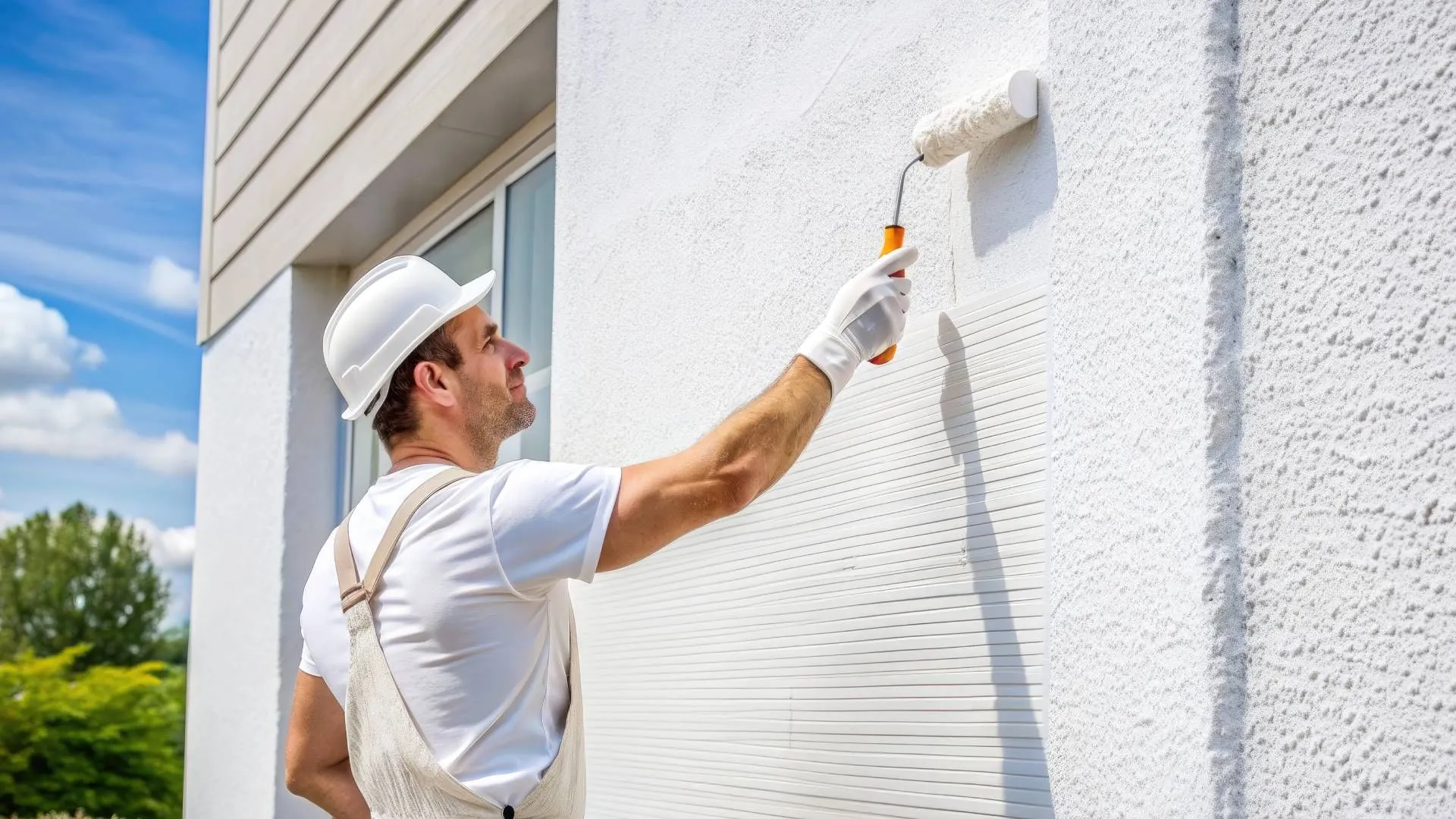
Why did last summer’s paint job start peeling before this spring even warmed up? For a Middle Tennessee homeowner, the answer almost never lives in the paint itself. It lives in the day the crew opened the can. Exterior coatings cure to the conditions they meet, and a wrong temperature or a high dew point locks failure in before the film ever hardens. Get the timing right and a good job holds for years; rush it and you repaint on the failure’s schedule, not yours. A licensed exterior painting franklin tn crew earns its keep by controlling those variables, not gambling on them.
Temperature And Dew Point Decide Everything
Most exterior latex wants a surface between 50 and 85 degrees, and the cheap way to ruin a coat is to ignore the dew point. If the surface temperature sits within five degrees of the dew point, stop, because moisture is already condensing on the wall you are about to seal. The failure we see most often started on a humid afternoon when the dew point crept up on somebody in a hurry. Cost is the other reason to care. A January 2026 rent-dollar breakdown from the National Apartment Association put 43 cents of every rent dollar into operating costs like maintenance, insurance and utilities, against 44 cents for the mortgage and 10 cents for property taxes. Whether you rent the place out or live in it is beside the point here. You are painting a house, not balancing a landlord’s spreadsheet, so back to the wall in front of you.
Check The Surface Before You Open A Can
Prep decides adhesion long before any color goes up. Chalk, mildew, and loose flakes have to come off, and bare wood or filler needs to read dry, not just look dry. Around here that means washing the siding, scraping what lifts, and then waiting out the moisture a pressure wash drives into the grain. A wall still damp from last night’s storm will not hold paint no matter how good the product is. In practice this typically means losing a morning to patience you did not budget for. Skip it and the first cool, wet week peels your work back to the primer.
Match The Coating To The Substrate
Brick, wood, fiber cement, and a chalky old coat each want a different primer and a different film build. Thickness is where a lot of jobs quietly fail. Purdue Extension pegs an optimum total paint thickness at 4 to 6 mils and notes that attics need at least one square foot of ventilation per 300 square feet of ceiling so trapped moisture stops pushing paint off from behind. Two thin, even coats beat one thick pass that skins over and traps solvent underneath. On brick, breathability matters more than sheen, because a sealed masonry wall bakes and blisters in July. A coat rushed onto a damp wall is on borrowed time, whatever the label promised.
Time The Job Around The Season
Middle Tennessee hands you two good windows and a lot of traps. Late spring and early fall give you mild days and low overnight humidity, which is exactly what a curing film wants. Peak July is the trap, when afternoon storms and heavy dew squeeze the safe painting hours down to almost nothing. Any exterior painting franklin tn homeowners trust gets scheduled around those windows, not crammed into the one free weekend in August. If the forecast shows rain inside 24 hours of your last coat, move the date. The calendar is not a suggestion out here.
Estimate Coats And Dry Time First
Run the numbers before you buy paint, not after. Say you are covering 2,400 square feet of siding, and a gallon stretches to about 350 square feet on a smooth surface. That is roughly 7 gallons a coat, so two coats come to about 14 gallons all in, plus a little for waste. Recoat times read like 4 hours on the can, but humid Middle Tennessee air can double that, so plan on two dry days back to back, not one long afternoon. Buy the extra gallon now, because driving back for one is how a color batch stops matching. Numbers first keeps the crew from stalling on day two.
Right Conditions Make Paint Last Years
Durable exterior paint is not a product you buy, it is a set of conditions you control. Line up temperature, a safe dew point margin, a clean dry surface, the right coating for the substrate, and a season that cooperates, and a repaint holds for years instead of months. Miss any one and the wall tells on you by the next wet spell. That is the whole case for handing it to a crew that watches the dew point, measures the film, and schedules around Tennessee weather, not the weekend. Right conditions, done once, beat a cheap coat you buy twice.