Signs an Older St Louis County Home Hides a Failing Sewer Line
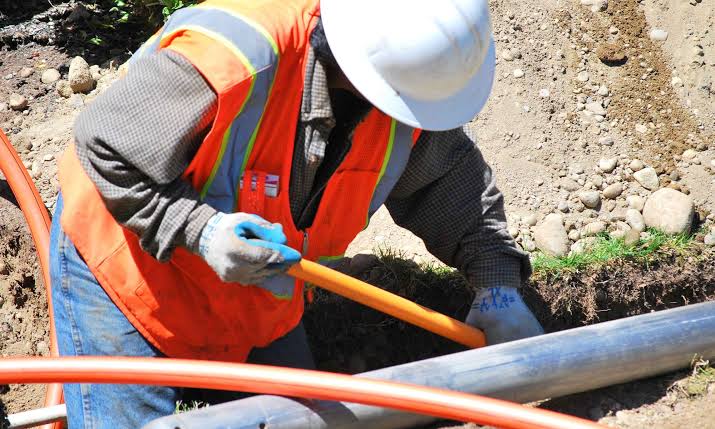
The paperwork closed on a Friday. By the next weekend the new owners of a just-closed 1950s ranch in St. Louis County noticed it, a faint sulfur smell rising from the basement floor drain every time the washing machine emptied. They figured an old house was just settling in. Then spring thaw saturated the yard, and the odor turned into a slow gurgle in the kitchen sink that would not quit. That is the point where most owners start pricing the professional drain cleaning webster groves mo a licensed plumber handles, because the trouble had stopped being cosmetic. None of it was actually new, though. The last owner had learned to live with it and priced the house to move quickly.
New Owners Inherit the Last Owner’s Neglect
Here is the blunt version of it. In an older home, a recurring odor and gurgle almost never point to a single clogged trap under one sink. They point to a main line that is quietly failing, and the smart move is finding it before it backs up into a finished basement. A house built in the 1950s sits on clay or cast iron pipe that has had seventy years to crack, sag, and slowly fill with scale. Sellers rarely lie about any of this outright. More often nobody ever ran a camera, so the problem transferred right along with the deed, invisible to everyone at the closing table.
Storm season is what makes an inherited weak line go from nuisance to disaster fast. In June 2026, FOX 2 St. Louis reported that repair crews damaged a 12-foot-diameter sewer main during sinkhole work, leaving nearby basements at higher risk of backups during heavy rain. A private lateral that is already compromised has even less margin when the public main is stressed like that. The case we see most often is a line that drained fine through a dry October and then gave out the first wet spring. That is right when the new family is still unpacking the last box in the basement. The pipe was on borrowed time long before anyone put a pen to the paperwork.
Odor and Gurgling Signal a Deeper Problem
That gurgling sound is really just air. When a drain gulps and burps, water is squeezing past a partial blockage and pulling air backward through the traps. That same path is what carries sewer gas up out of the drain and into the room. So sulfur smell plus gurgle plus a drain that empties slower after rain is not three separate problems at all. It is one story told three different ways, and the setting is usually the main sewer lateral that runs from the house out to the street. Roots are the classic culprit in an established neighborhood full of mature trees. The City of Traverse City, Michigan explains in its sewer root FAQ that roots commonly reach 2.5 times a tree’s height, and for thirsty species 5 to 7 times that far. That is how a silver maple standing thirty feet off the foundation still finds a hairline crack in the lateral and feeds there for years.
A couple two streets over ran the garbage disposal during a holiday dinner and watched the basement shower drain bubble up in answer. The camera found a root mass parked right at the property line, in exactly the spot where old clay pipe joints tend to separate and leak. Once roots are established in a line, cabling it buys time but the intrusion always comes back on a schedule (usually every twelve to eighteen months until the pipe gets lined or replaced). A cleaning that clears the line today is genuine relief, not a permanent cure, and any honest plumber will tell you where that line sits.
Questions to Ask Before You Close
You get the most leverage before the sale is final, while an inspection contingency still has real teeth. A standard home inspection almost never includes a sewer scope, since it stops at what the inspector can see without digging anything up. Ask for the scope as a separate line item, or just hire it yourself for a couple hundred dollars. The right questions, put to the plumber or the listing agent, surface a hidden lateral problem before it quietly becomes your emergency to pay for. Write the answers down and keep the video, because a slow line rarely fixes itself and the next owner will ask the same things.
- Has anyone run a camera down the main sewer lateral? A good answer comes with the video file and a date, not a verbal all clear.
- How old is the sewer line and what is it made of? Clay or cast iron from before 1970 is a flag worth a scope on its own.
- Are there large trees between the house and the street? A good answer names the species and how close the roots sit to the lateral.
- Does the lowest fixture or basement drain back up during heavy rain? A yes points at the main line, not a single fixture.
- When was the line last cleaned, and why? Frequent cleanings mean a recurring cause nobody has actually diagnosed.
A Camera Inspection Beats a Guess
Guessing at a sewer problem is expensive. Snaking a line blind might clear today’s clog and still tell you nothing about why it formed, so you end up paying for it again in a season. A camera inspection turns the whole question into a picture instead. A crew feeds a waterproof video head down the length of the lateral and watches the exact break, belly, or root intrusion appear on a screen. A locator then marks how deep the trouble sits and where to dig if it comes to that. That footage is also what right-sizes the fix, whether the line needs a straightforward cleaning, a trenchless liner, or one single spot repair. For a newly bought older home, a camera inspection paired with professional drain cleaning webster groves mo homeowners can book same-day is the difference between a controlled fix and a flooded basement on a rainy night. Find the inherited blockage on your terms, and not on the storm’s.