The Geometry Behind the Soccer Ball Changed Football Forever
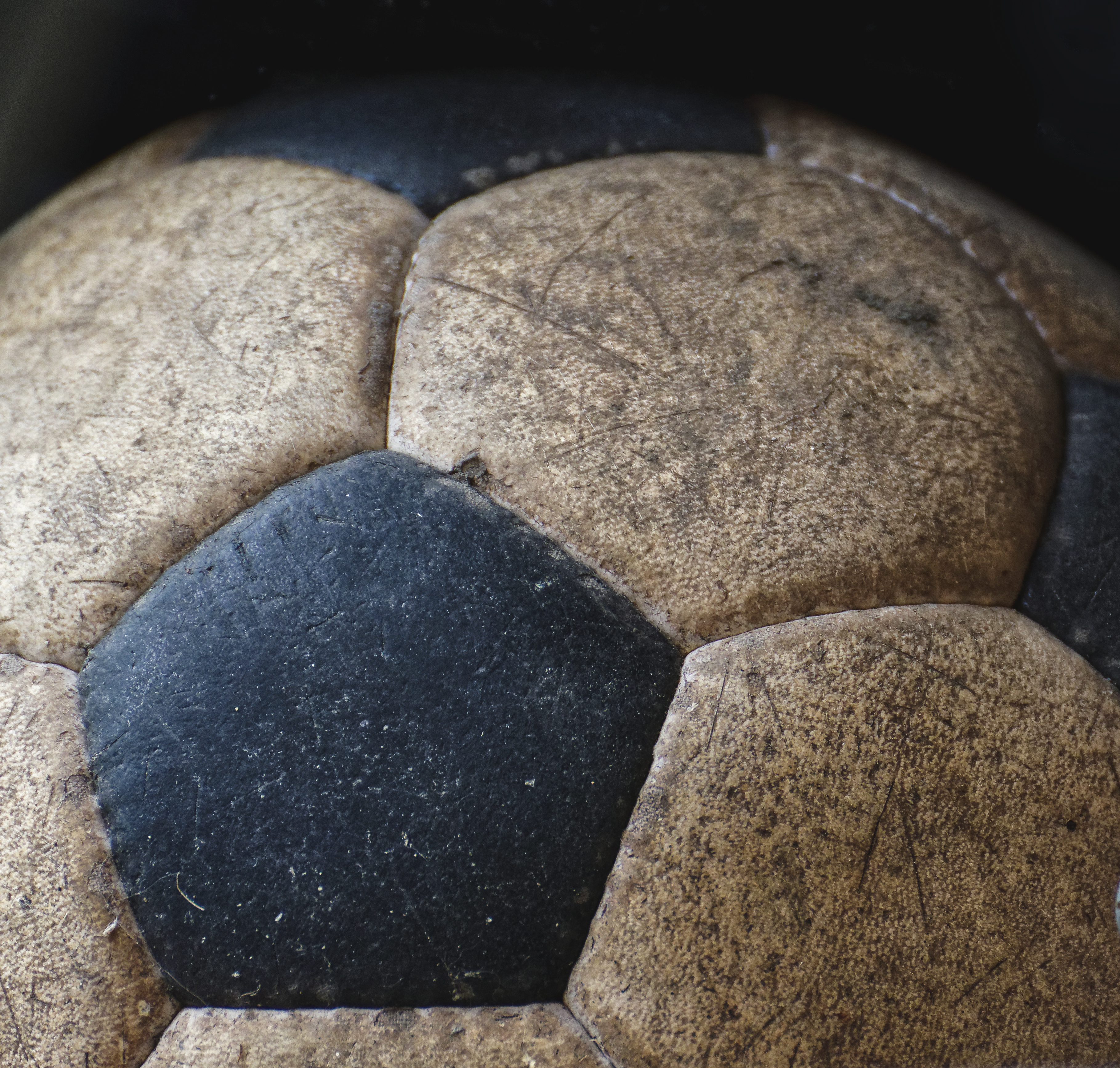
The old Adidas Telstar looked simple enough, though its design came straight from geometry textbooks. That same football eventually changed television broadcasts, World Cup culture, ball engineering, and even the way supporters follow live matches today.
Most people recognise the old black-and-white Adidas “Buckyball” football immediately, even if they have never watched a full World Cup match. The funny thing is that the design came from geometry. The classic Telstar ball used black and white pentagons and hexagons because the pattern looked clearer on black-and-white televisions during the 1970 World Cup, and the design became so famous that people still draw footballs that way today.
The Famous Black-and-White Soccer Ball Started With Geometry
The Adidas Telstar changed football design forever during the 1970 World Cup because the ball looked completely different from the plain brown leather footballs used before it. Adidas built the Telstar using a geometric structure called a truncated icosahedron, which sounds complicated until somebody explains it properly. The ball contained 12 black pentagons and 20 white hexagons stitched together into 32 separate panels, creating the classic football pattern most people still recognise instantly.
That geometric structure also helped create a more balanced and predictable football during matches, which became important once televised football reached massive global audiences. Modern football analysis still revolves around patterns, movement, and constantly changing probabilities during games.
The latest Betway app download gives football supporters access to live odds, in-play score tracking, and real-time match data during competitions around the world. The technology looks very different now, though football still revolves around angles, movement, and reading the flow of the match correctly.
Football Angles Change More Than the Scoreline
Geometry appears constantly during football matches once somebody starts paying attention to it. Passing triangles create space through midfield. Goalkeepers position themselves to narrow shooting angles. Defenders try forcing attackers wide because difficult angles reduce scoring chances naturally.
Roberto Carlos produced one of football’s most famous examples during 1997 when his free kick against France appeared to bend impossibly through the air before flying into the net. Physicists later explained the shot through aerodynamics and ball rotation, though supporters still talk about it like magic because, well, that’s what it was, and no maths teacher can convince them otherwise!
Football betting also follows those same geometric ideas more closely than people realise. Live odds react constantly to spacing, pressure, passing lanes, and attacking momentum during matches. A team forcing repeated crosses into dangerous angles suddenly changes the scoring probability. One dangerous free-kick position near the box can move betting markets immediately because football still revolves around space, movement, and angles underneath everything else.
World Cup Balls Developed Strange Reputations
Some World Cup balls became famous for reasons Adidas probably never intended. The Fevernova ball used during the 2002 World Cup looked futuristic compared with older footballs, though several players complained the ball moved unpredictably through the air. Goalkeepers especially hated it because long-range shots suddenly behaved strangely during matches.
The Jabulani from the 2010 World Cup caused even bigger arguments. Adidas reduced the panel count dramatically, bragging it was their “roundest ball ever” and creating a smoother surface that many players believed made the ball unstable during flight. Goalkeepers criticised the design throughout the tournament, while shots from distance swerved unpredictably enough that NASA scientists later studied the aerodynamics behind the movement.
Those controversies helped turn World Cup balls into part of football culture themselves. Supporters still mention the Jabulani ball whenever goalkeepers concede strange long-range goals. The ball became almost as memorable as some matches from the tournament itself.
The 2026 World Cup Ball Looks Completely Different Now
The official Adidas match ball for the 2026 FIFA World Cup looks nothing like the old Telstar from 1970 because football technology changed massively during the past fifty years. FIFA’s official 2026 World Cup ball, the Trionda, includes connected-ball technology designed to support faster officiating decisions and more accurate tracking during matches.
The Trionda ball which will be used in this year’s FIFA World Cup has reduced the number of panels form Telstar’s 32 down to just four, and the geometry behind the design is truly fascinating, as is the other manufacturing details, and everyone hopes its not as haunted as the Jabulani.
Football Betting Still Depends on Reading Patterns
Football betting sounds complicated sometimes because people throw statistics everywhere, though most live markets still react to simple things happening inside the match. One team starts controlling possession; the live odds move. A defender picks up an early yellow card; goals markets suddenly look different. Momentum changes quickly during football, especially during big tournaments where one mistake can wreck an entire evening.
That is why live football apps focus so heavily on real-time information. Supporters follow score changes, possession swings, shots on target, and in-play odds because the match keeps changing minute by minute. The same basic ideas behind geometry still sit underneath football too. Angles create space. Ball movement changes trajectories. Pressure changes decisions.
The strange thing is that supporters hardly ever think about the mathematics while watching. People still remember goalkeepers panicking during the 2010 World Cup because the Jabulani moved unpredictably through the air. They remember Roberto Carlos bending a free kick around the wall like the ball ignored physics completely. Football still feels emotional first, even when probability, geometry, and live data constantly sit underneath the game.